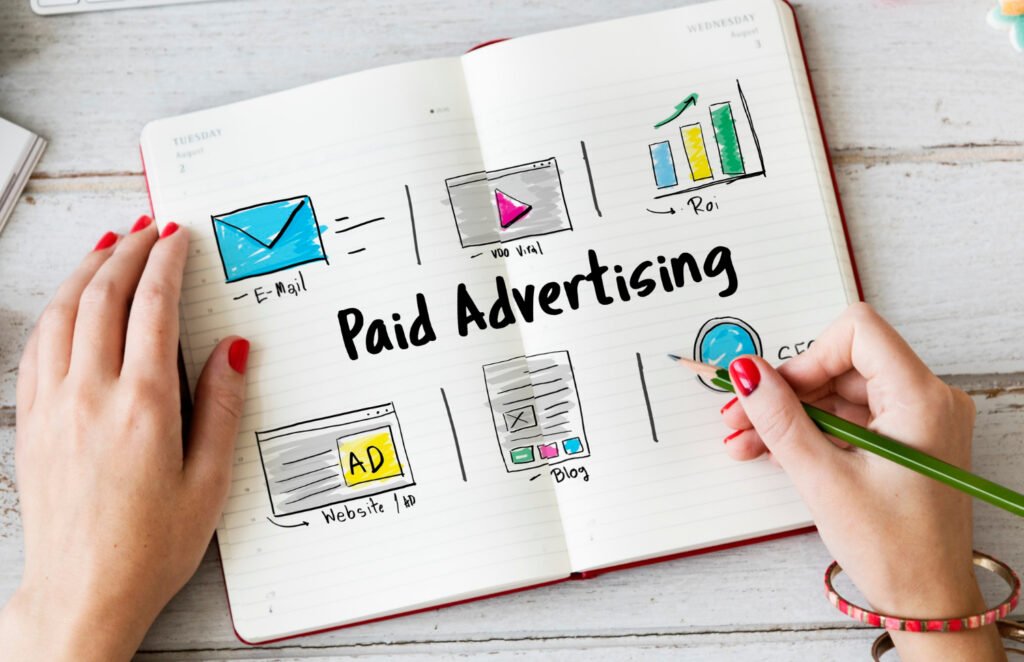
When a company decides to invest in digital advertising, one of the most important strategic decisions is how to structure its campaigns. Many brands wonder whether it is better to keep ads running continuously or launch campaigns with specific start and end dates.
The answer is not always absolute. Both strategies can work, but each serves different objectives within a digital marketing strategy. In this article, we analyze the differences, advantages, and when to use each approach.
🔄 What is always-on advertising?
Always-on advertising consists of keeping advertising campaigns active on a permanent basis, without a defined end date.
This approach is commonly used for:
- Consistent lead generation
- Ongoing customer acquisition
- Promotion of permanent services
- Branding and brand positioning
Companies that depend on a constant flow of customers often use this model.
🎯 What are date-based campaigns?
Date-based campaigns have a defined start and end.
They are normally used for:
- Special promotions
- Product launches
- Specific seasons
- Events or commercial campaigns
Because they run for a limited period, the investment is concentrated within a specific time frame.
🧠 How the algorithm influences each strategy
In both Google Ads and Meta Ads, algorithms need time to learn.
When a campaign remains active for a longer period, the system can:
- Analyze audience behavior
- Optimize ad delivery
- Identify audiences with a higher likelihood of conversion
Campaigns that are frequently paused or run for very short periods do not always give the algorithm enough time to optimize properly.
That is why many successful strategies use campaigns that remain active for long periods.
🚀 Advantages of always-on advertising
An always-on campaign usually offers:
Greater stability in results
The algorithm learns over time and improves ad delivery.
A steady flow of business opportunities
Ideal for companies that need customers on an ongoing basis.
Progressive optimization
Over time, it becomes easier to identify which audiences, ads, or messages perform best.
Fewer resets of the algorithm’s learning process
It avoids starting from zero every time a campaign is launched.
⚡ Advantages of date-based campaigns
Temporary campaigns also offer important benefits.
Greater concentration of the budget
The investment is focused on a specific period.
Commercial urgency
They are ideal for limited promotions or special events.
Strategic flexibility
They allow you to launch specific campaigns for particular market moments.
Budget control
They make it easier to plan campaigns around seasons or promotions.
🎯 When to use each strategy
In practice, many digital strategies combine both approaches.
Always-on advertising usually works best when:
- The service or product is available throughout the year
- Consistent lead generation is needed
- The strategy seeks stability and progressive optimization
Date-based campaigns work best when:
- There are limited-time promotions
- A new product is being launched
- There is a seasonal campaign
- The goal is to increase sales during a specific period
The key is to align the campaign structure with the business objectives.
🧠 In summary
There is no single correct strategy.
Always-on campaigns provide stability and allow the algorithm to learn.
Date-based campaigns make it possible to concentrate efforts during strategic moments.
Many companies achieve better results by combining both options within the same advertising strategy.
Digital advertising is not only about launching ads, but about properly structuring campaigns so the algorithm and budget work in the business’s favor.
✨ From Cuernosoft
At Cuernosoft, we help companies structure digital advertising campaigns that generate real results.
We analyze:
- The campaign objective
- Audience behavior
- The stage of the business
To determine whether it is better to use always-on advertising, temporary campaigns, or a strategic combination of both.
If you want to optimize your Google Ads or Meta Ads campaigns:
👉 https://cuernosoft.com/en/contact/
A good campaign does not depend only on the budget.
It depends on the strategy behind it.
